


Review · Car · 1 model
Nextbase 622GW review: 4K, stabilisation and what3words, and what the flagship asks you to add
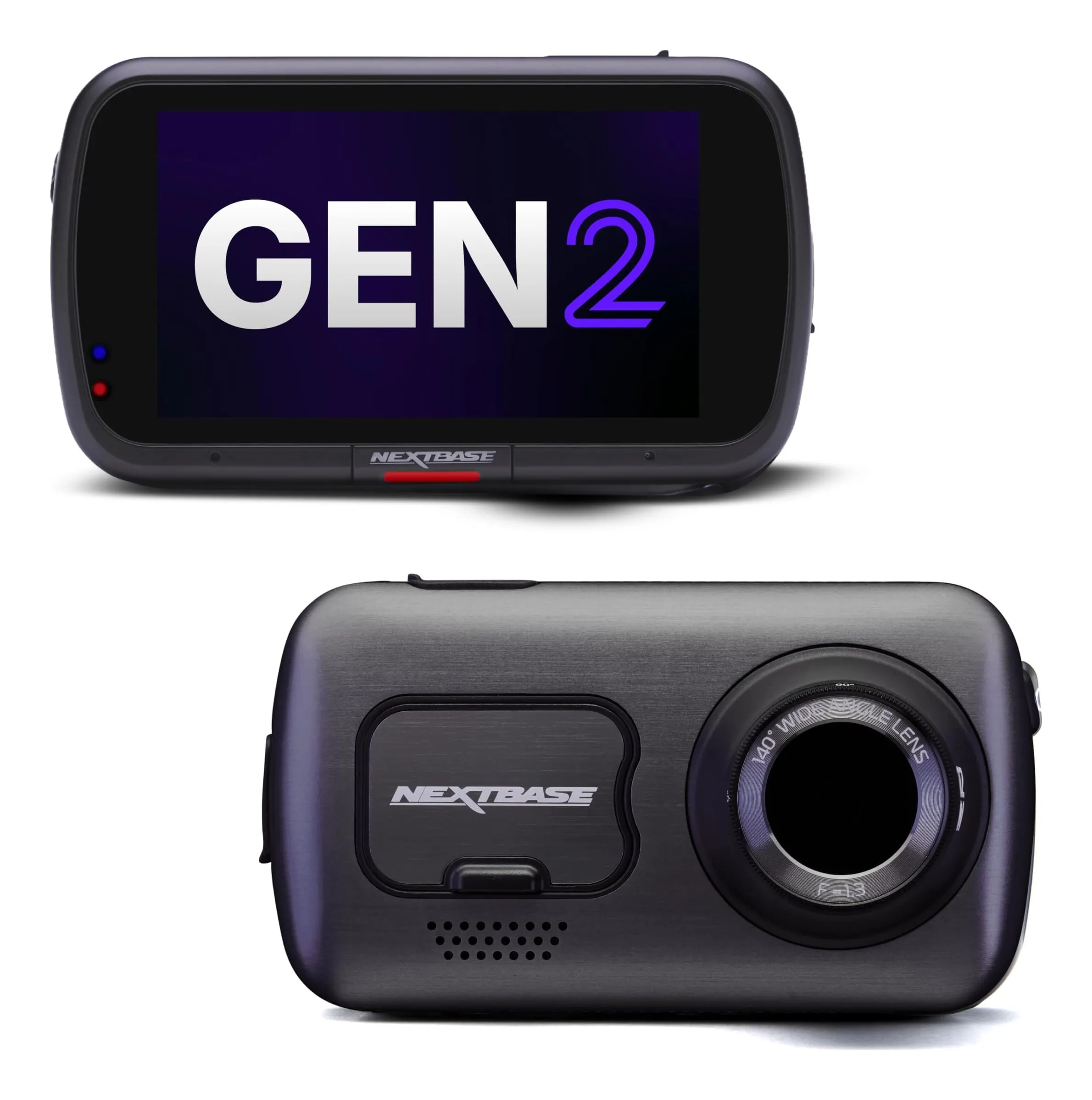
Nextbase's top front camera: 4K at 30 frames, 1440p at 60 and 1080p at 120 through a 140-degree f/1.3 lens with a polarising filter built in, a 3-inch touchscreen, 10 Hz GPS with what3words, Emergency SOS and Alexa. This review is about which recording mode to use, what the stabilisation costs, what the rear module adds, and the memory card question Nextbase leaves to retailers.
Verdict
What it is
the dash cam reviewed
Nextbase 622GW
- Front resolution
- 4K
- Recording
- 4K at 30 fps; 1440p at 60; 1080p at 120
- Field of view
- 140°, f/1.3
- Screen
- 3 in IPS touchscreen
- GPS
- 10 Hz, with what3words
- Parking mode
- Intelligent Parking Mode (hardwire kit for continuous)
Check price
A front dash cam recording 4K at 30 frames, 1440p at 60 or 1080p at 120, through a 140-degree lens at f/1.3 with a polarising filter built in. It has digital image stabilisation, Enhanced Night Mode, a 3-inch IPS touchscreen, 10 Hz GPS with what3words, Intelligent Parking Mode, Emergency SOS, Alexa, Wi-Fi and Bluetooth 5.0, and a socket for Nextbase’s optional rear and cabin modules. 170 grams by the listing. From nextbase.com.
Strengths
- 4K, stabilisation and a polariser: the best footage here
- what3words and Emergency SOS, which matter on a rural A-road
- Touchscreen and rear module that clicks in without a cable to the back
Limitations
- The dearest here before you add the rear camera
- Stabilised mode drops to 2K
- 128 GB card limit by retailers
Good for
- a driver who wants the best evidence and will pay for it
Look elsewhere if
- a budget or a second car
The three modes
Nextbase offers three combinations of resolution and frame rate, and the right one is not the biggest. 4K at 30 frames gives the most detail in a still from a stationary scene. 1440p at 60 doubles the frame rate, which matters for the thing a dash cam is mostly for: reading a moving plate. 1080p at 120 is a slow-motion mode. For daily driving, 1440p at 60 is the setting, and the stabilisation decides it.
Stabilisation and the polariser
The stabilisation is digital and works at 2K, which Nextbase means as 1440p; switch to 4K and it is off. It steadies the picture on a rough road or a stiff suspension, where an unstabilised camera smears the plate in front. The polariser is built into the lens, not a clip-on filter, and cuts the reflection of the dashboard in the windscreen on a sunny day. Together with the f/1.3 aperture, the brightest on our shortlist, these are the reasons to pay for this camera rather than a simpler 4K one.
GPS, what3words and SOS
The GPS updates ten times a second, so speed and position on the clip are smooth rather than stepped. what3words turns the position into three words that UK emergency services accept. Emergency SOS, once set up in the app, uses the camera’s crash detection and the phone’s connection to send that position if the driver does not respond. On a dark A-road, that is a feature with a real job.
The screen and the app
A 3-inch touchscreen, the largest here, for framing the camera when fitting it and reviewing a clip at the roadside without a phone. Wi-Fi and Bluetooth 5.0 pair it with the Nextbase app for downloading and sharing footage. Alexa is built in for voice commands.
The rear and parking
The rear is an extra. A click-in module plugs into the side of the camera, so there is no second box on the glass and no second power cable to the dash. Intelligent Parking Mode wakes the camera on a knock; for recording while the car is parked, Nextbase points to its hardwire kit.
The card
Retailers give microSD up to 128 GB in U3 class; Nextbase’s page shows bundles with 128 and 256 GB cards, so we mark the limit for checking. 4K writes a lot of data quickly, which is why the class matters more than the size.
Strengths
- 4K, stabilisation and a polariser: the best footage here
- what3words and Emergency SOS, which matter on a rural A-road
- Touchscreen and rear module that clicks in without a cable to the back
Limitations
- The dearest here before you add the rear camera
- Stabilised mode drops to 2K
- 128 GB card limit by retailers
Good for
- a driver who wants the best evidence and will pay for it
Look elsewhere if
- a budget or a second car
Who should buy it
A driver who wants the clearest front footage and will use it: a commuter on fast roads, a rural driver who values what3words and SOS, a company car whose footage may end up with an insurer.
Who should not
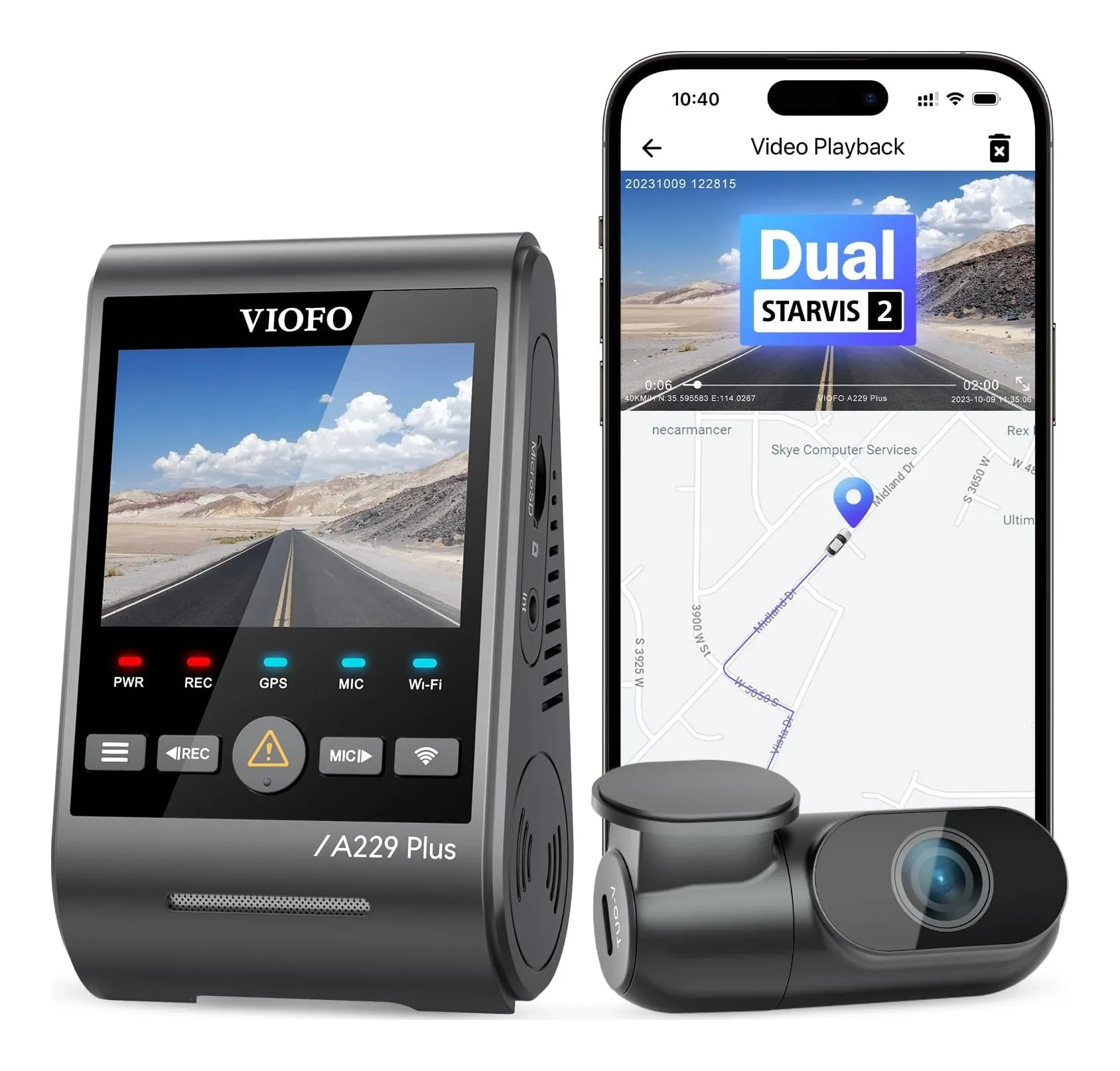
Anyone who wants front and rear in one box for less, who should look at the Viofo A229 Plus; a second car or a first dash cam, where the Nextbase 322GW bundle is enough; and anyone who wants nothing visible on the windscreen, which is the Garmin Mini 3.
Sources
Facts checked 3 November 2026
- Nextbase — 622GW product page — Manufacturer documentation, checked 23 October 2026
- Retail listing (Nextbase) — Retailer listing, checked 23 October 2026
Which recording mode should I use?
1440p at 60 frames for everyday driving: smoother motion and a sharper still from a moving car than 4K at 30, and it is the mode the image stabilisation works in. Keep 4K at 30 for a parked or slow-traffic view where detail matters more than motion. 1080p at 120 is for slow-motion replay, not evidence.
Does it come with a rear camera?
No. The 622GW is a front camera with a socket on its side for Nextbase's click-in modules: a rear-window camera, a rear-view module and a cabin camera are sold separately. The module plugs into the camera, so there is no extra unit on the windscreen.
What is what3words for?
It turns the GPS position into three words that the emergency services in the UK accept. With Emergency SOS set up, the camera can send your position after a serious crash if you do not respond. On a rural road with no house numbers, three words are easier to read out than a postcode.
What memory card does it take?
Retailers give microSD up to 128 GB, U3 class, and we mark that figure for checking because Nextbase's own page lists bundles with 128 and 256 GB cards. Use a U3 card, as 4K writes fast, and buy Nextbase's own or a known brand rated for continuous recording.
Related reading
Shortlist · Car
Best dash cams: six front and front-and-rear cameras compared on resolution, GPS, screen and parking mode
A dash cam is insurance evidence. What makes it useful is whether a plate can be read, which is resolution, frame rate and the sensor at night; whether speed and location are stamped on it, which is GPS; whether it records when parked; and whether the back of the car is covered. Six cameras from Nextbase, Garmin, Viofo and 70mai, from a 1080p pocket camera to 4K front and rear.
Guide · Car
Dash cams explained: resolution and frame rate, field of view, sensors at night, parking mode and the UK rules
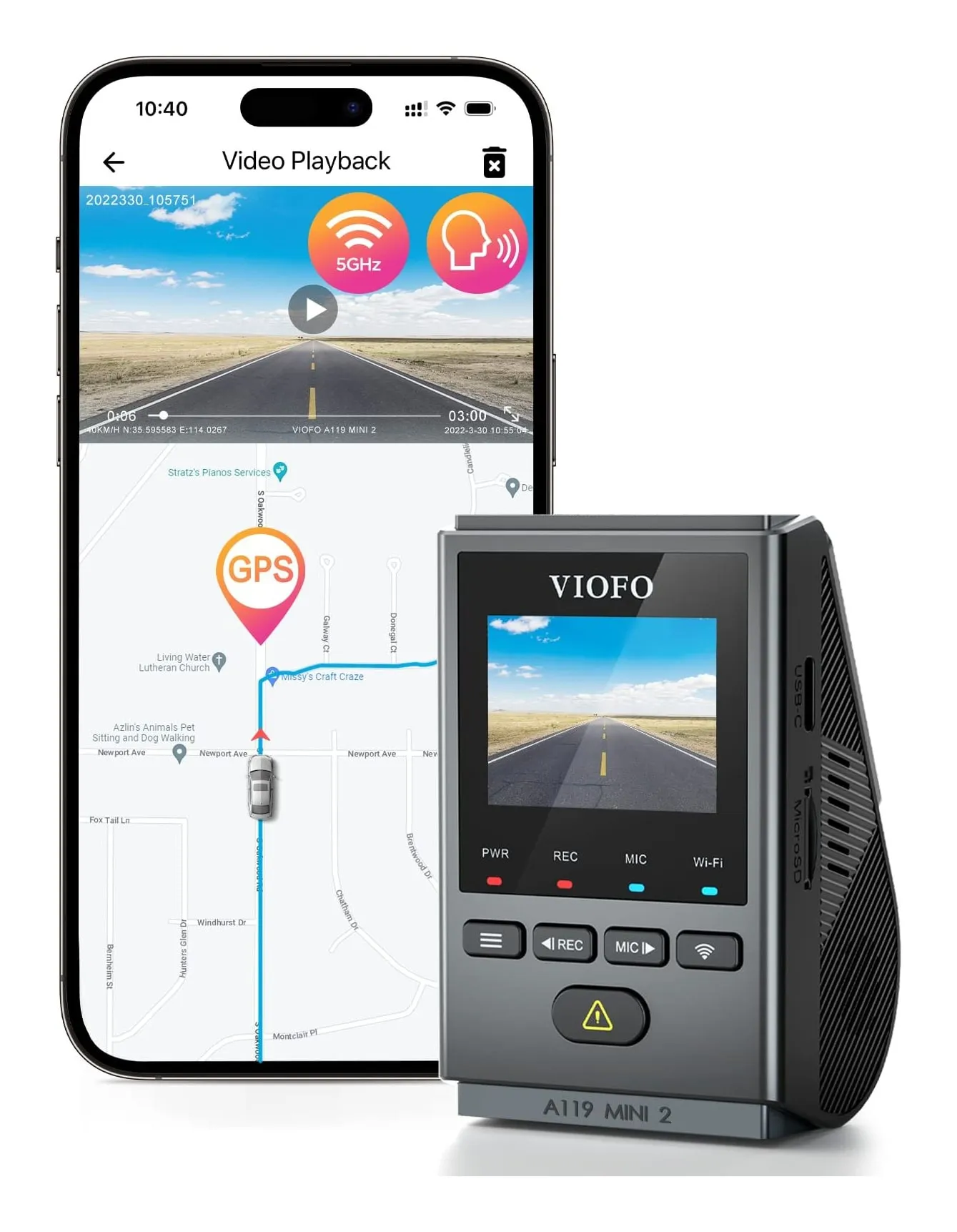
Dash cams are sold on a pixel count, and the pixel count is the least reliable predictor of whether a plate will be readable in the clip you hand to your insurer. This guide explains what resolution and frame rate buy, why field of view is a trade, what the sensor does at night, what GPS adds, what parking mode requires, and where a camera may legally sit on a UK windscreen.
Review · Car
Garmin Dash Cam X110 review: GPS and a screen in 62 grams, and what the subscription is for
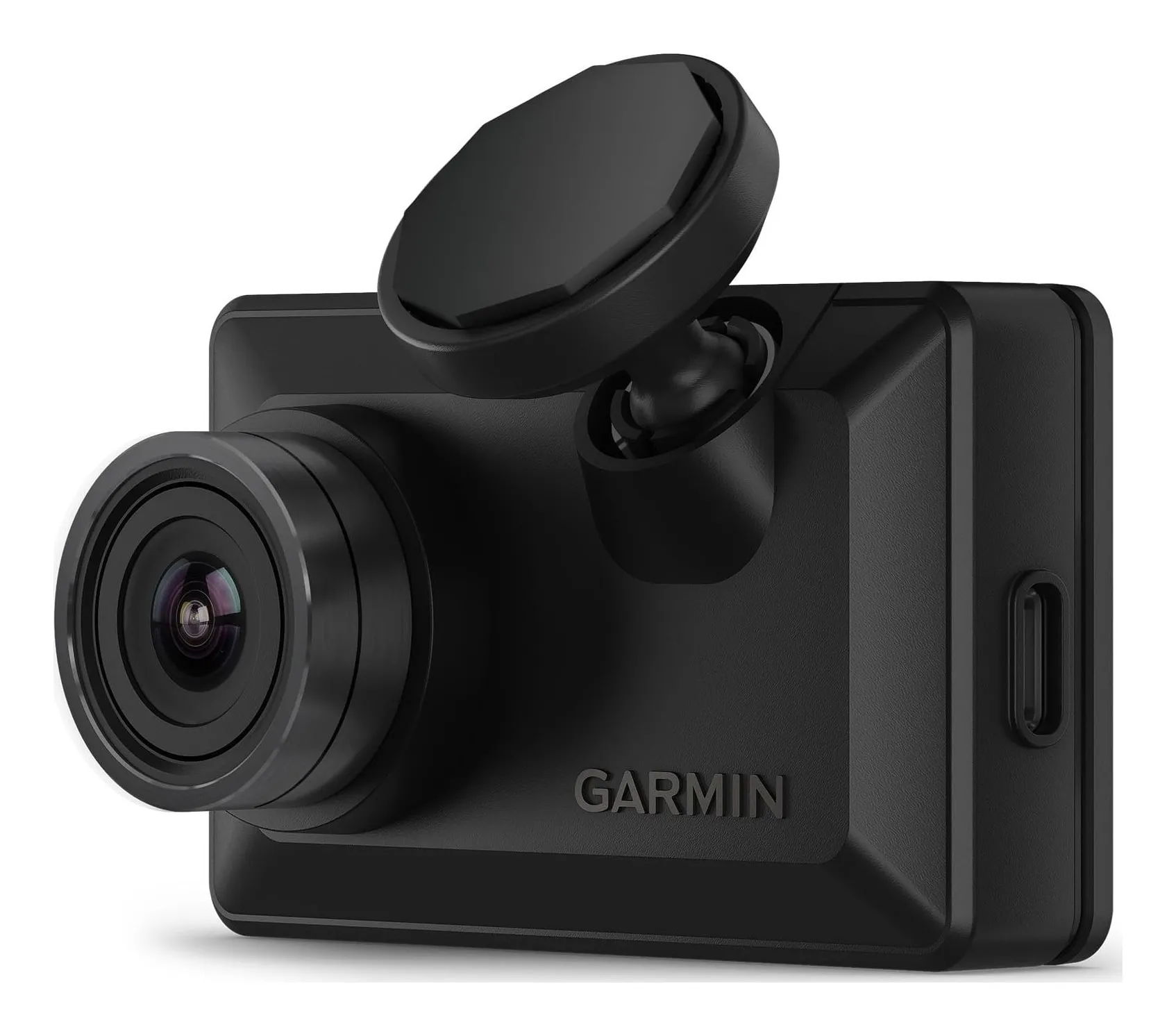
Garmin's small camera with a display: 1080p HDR through a 140-degree lens, GPS and Galileo so speed and position are on every clip, a 2.4-inch screen for roadside checks, voice control and driver alerts, in 62 grams. This review is about what the GPS buys, what the alerts do, why the battery is a backup not a feature, and what Garmin's Vault subscription is for.