Review · Car · 1 model
Garmin Dash Cam X110 review: GPS and a screen in 62 grams, and what the subscription is for
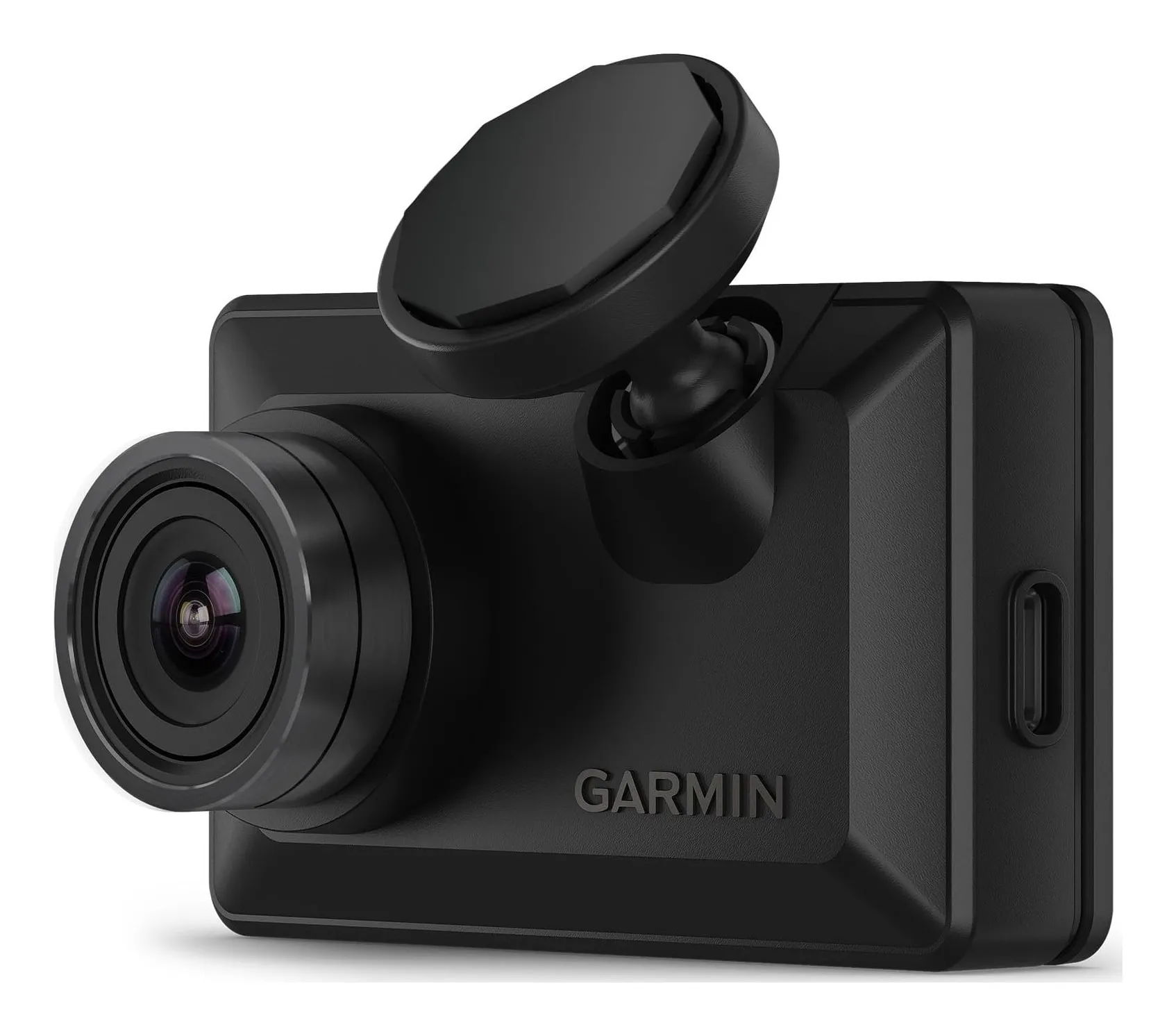
Garmin's small camera with a display: 1080p HDR through a 140-degree lens, GPS and Galileo so speed and position are on every clip, a 2.4-inch screen for roadside checks, voice control and driver alerts, in 62 grams. This review is about what the GPS buys, what the alerts do, why the battery is a backup not a feature, and what Garmin's Vault subscription is for.
Verdict
What it is
the dash cam reviewed
Garmin Dash Cam X110
- Front resolution
- 1080p
- Field of view
- 140°
- Screen
- 2.4 in LCD
- GPS
- Yes, GPS and Galileo
- Parking mode
- Parking Guard with constant power cable, Wi-Fi and Vault subscription
Check price on Amazon
A 1080p dash cam at 30 frames with Garmin Clarity HDR, a 140-degree lens, a 2.4-inch 480 by 272 display, GPS and Galileo, voice control, automatic incident detection with a G-sensor, driver alerts for forward collision, lane departure, go and speed cameras, Wi-Fi to the Garmin Drive app, microSD from 8 to 512 GB, a rechargeable battery rated up to 20 minutes, and an operating range of −20 to 60 °C. 7.0 by 4.2 by 2.0 centimetres, 62 grams. From Garmin’s product page and owner’s manual.
Strengths
- GPS on a camera this small
- Screen for reviewing without a phone
- Driver alerts, which the Nextbases at this price lack
Limitations
- 1080p only; no 1440p or 4K option
- Parking Guard needs the Vault subscription
- Battery is a 20-minute backup, not a feature
Good for
- a driver who wants GPS evidence in a camera that does not shout
Look elsewhere if
- anyone who wants a rear camera in the box
The GPS
Every clip carries position and speed, and the Drive app plots the route. For a claim this is the difference between footage and a record of where and how fast. The X110 is the cheapest Garmin with it; the Mini 3 below it has none.
The screen
A 2.4-inch display for framing the camera on installation, changing settings without the phone and reviewing a clip at the roadside. It is small and bright, and it is the reason the camera is not as small as the Mini.
The alerts
Forward collision, lane departure, a go alert when traffic ahead moves off, and speed and red-light camera warnings from the GPS database. Each can be turned off; most owners keep the camera alerts and silence the rest after a week.
Parking and power
The camera runs from the 12 V socket and stops with the ignition. Garmin’s Parking Guard, which records bumps and sends alerts while parked, needs the Constant Power Cable wired to the fuse box, a Wi-Fi connection and a paid Vault subscription. The battery is a backup to finish writing the last clip, rated by Garmin at up to 20 minutes; Garmin’s X110 keeps a battery where the Mini 3 uses a supercapacitor, and rates the camera to 60 °C.
Strengths
- GPS on a camera this small
- Screen for reviewing without a phone
- Driver alerts, which the Nextbases at this price lack
Limitations
- 1080p only; no 1440p or 4K option
- Parking Guard needs the Vault subscription
- Battery is a 20-minute backup, not a feature
Good for
- a driver who wants GPS evidence in a camera that does not shout
Look elsewhere if
- anyone who wants a rear camera in the box
Who should buy it
A driver who wants GPS on the footage in a camera that does not announce itself, who likes a screen for the odd roadside check, and who either does not need parking recording or is willing to wire and subscribe for it.
Who should not
Anyone who wants a rear camera in the box, which Garmin does not offer here; anyone who wants night footage above all, who should look at the Viofo A119 Mini 2; and anyone who wants parking mode without a subscription.
Sources
Facts checked 23 October 2026
- Garmin — Dash Cam X110 product page and owner's manual specifications — Manufacturer documentation, checked 23 October 2026
- Amazon listing (Garmin) — Retailer listing, checked 23 October 2026
Why does GPS matter?
It stamps each clip with position and speed, which turns a picture into evidence an insurer or the police can place. The X110 has GPS and Galileo; Garmin's cheaper Mini 3 has neither and records date and time only.
What are the driver alerts?
Forward collision warning when you close on the car ahead, lane departure warning, a go alert when stopped traffic moves, and speed and red-light camera alerts. They use the camera and the GPS; they are warnings, not driver aids, and can be switched off individually.
Does it record when parked?
With Garmin's Constant Power Cable wired to the fuse box, a Wi-Fi connection and a Vault subscription, Parking Guard records incidents and sends alerts. Without the cable it stops with the ignition. The 20-minute battery is to finish saving a clip, not to watch the car.
Is 1080p enough?
In daylight, yes; the HDR helps with headlights at night. The Viofo A119 Mini 2 does 1440p at 60 frames on a better sensor for similar money without a screen or driver alerts. Choose the X110 for GPS, the screen and the alerts, not for the pixel count.
Related reading
Shortlist · Car
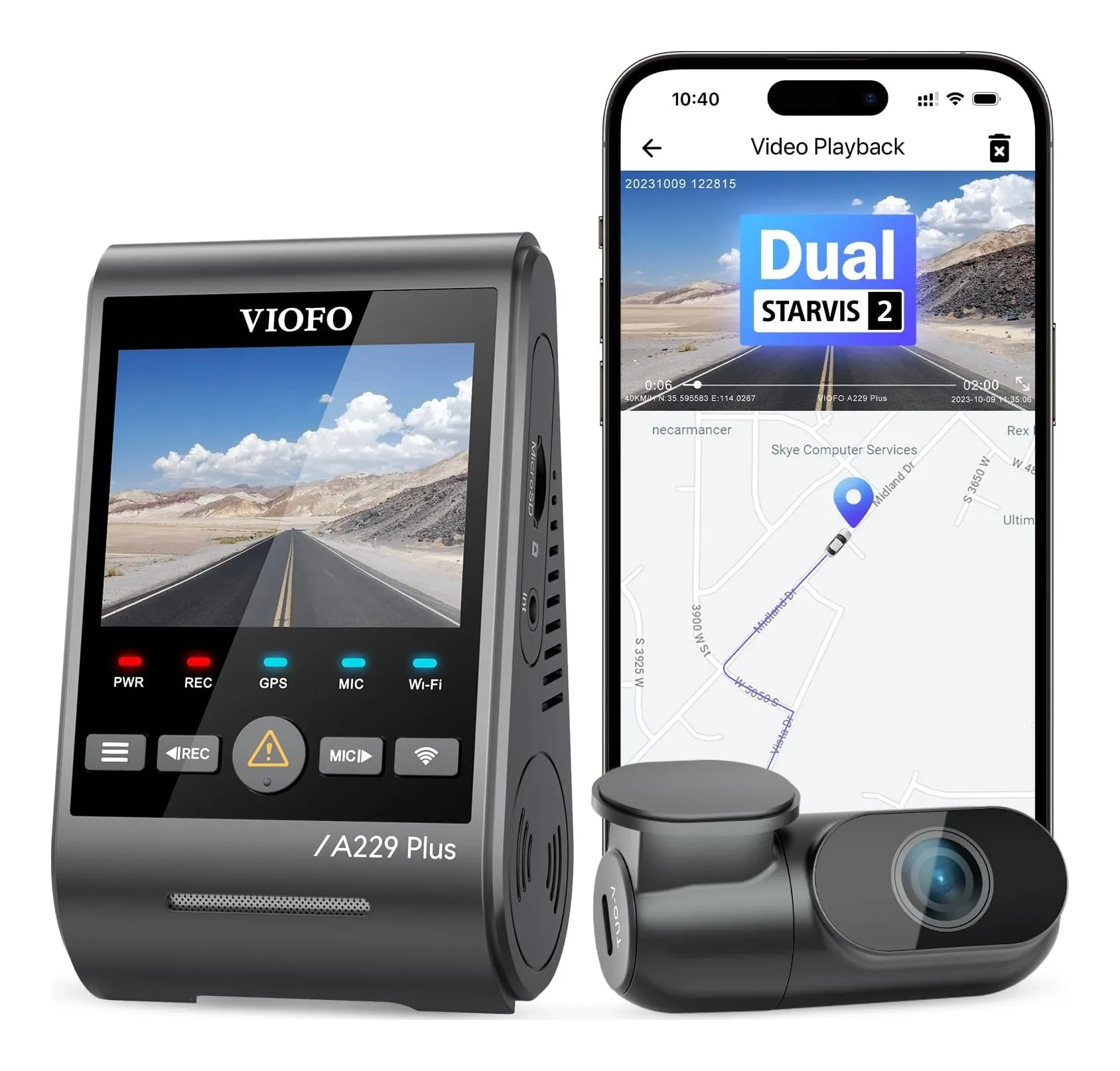
Best dash cams: six front and front-and-rear cameras compared on resolution, GPS, screen and parking mode
A dash cam is insurance evidence. What makes it useful is whether a plate can be read, which is resolution, frame rate and the sensor at night; whether speed and location are stamped on it, which is GPS; whether it records when parked; and whether the back of the car is covered. Six cameras from Nextbase, Garmin, Viofo and 70mai, from a 1080p pocket camera to 4K front and rear.
Guide · Car
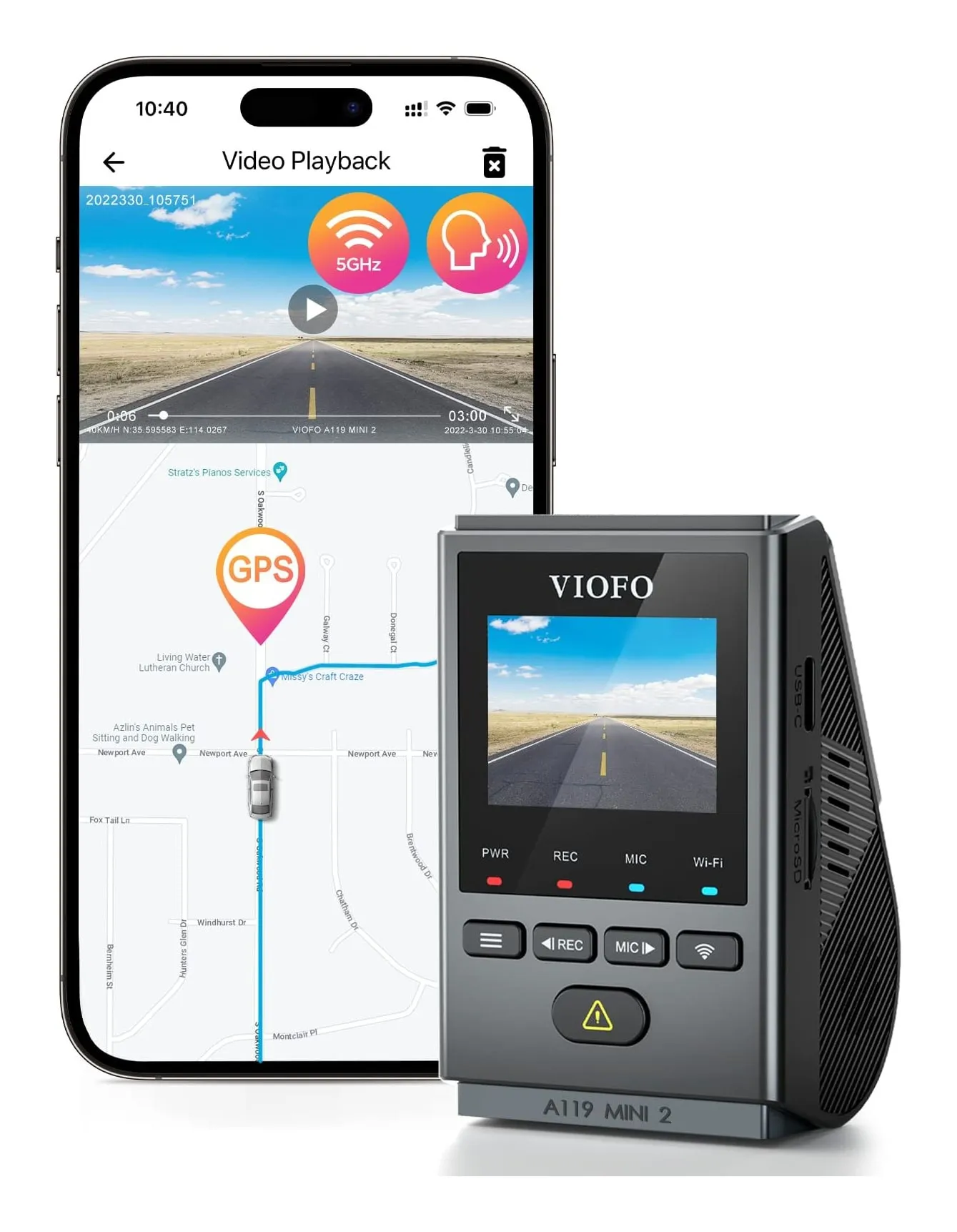
Dash cams explained: resolution and frame rate, field of view, sensors at night, parking mode and the UK rules
Dash cams are sold on a pixel count, and the pixel count is the least reliable predictor of whether a plate will be readable in the clip you hand to your insurer. This guide explains what resolution and frame rate buy, why field of view is a trade, what the sensor does at night, what GPS adds, what parking mode requires, and where a camera may legally sit on a UK windscreen.
Comparison · Car
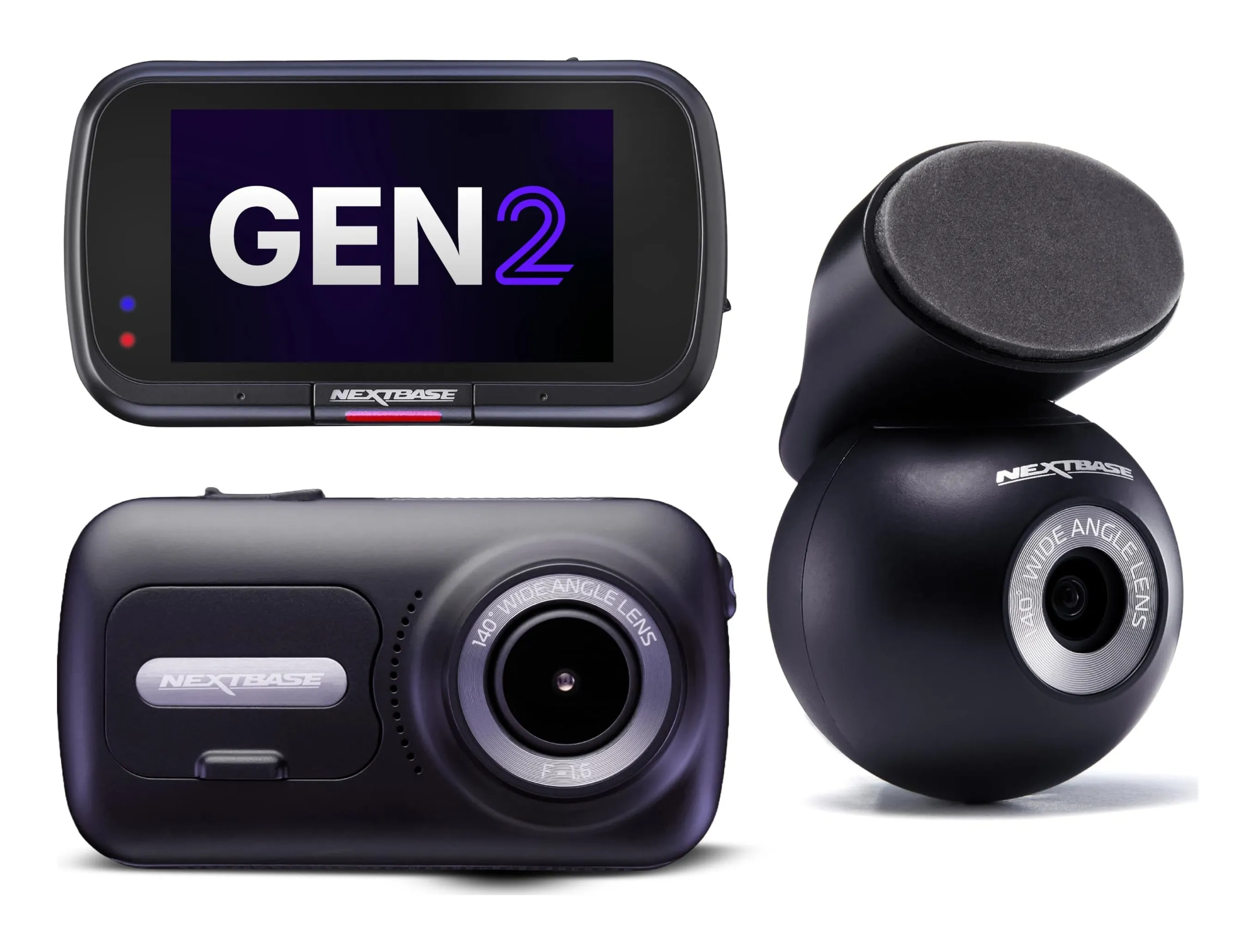
Viofo A229 Plus 2CH vs Nextbase 322GW with Rear Window Camera: the two front-and-rear dash cams, on evidence
Two front-and-rear bundles at a similar price from opposite philosophies: Viofo's enthusiast camera with Sony STARVIS 2 sensors at both ends, 1440p and HDR front and rear, and Nextbase's high-street camera with a touchscreen, Emergency SOS, a 720p rear module and a shop to take it back to. The decision is footage against safety features, and who you call when it goes wrong.